
Eye Disease Management
Vision health is an integral part of overall well-being, and managing eye diseases effectively is crucial in preserving your eyesight. At VisionQuest Eyecare in Greenwood, Indiana, we are committed to providing comprehensive eye disease management services to help you maintain optimal vision health. Our experienced team of eye care professionals is dedicated to diagnosing, monitoring, and treating a wide range of eye conditions.
Understanding Eye Diseases
Eye diseases can affect people of all ages, and early detection is key to preventing serious vision problems. Some common eye diseases include:
- Glaucoma: A condition characterized by increased intraocular pressure, leading to damage to the optic nerve. If left untreated, glaucoma can result in irreversible vision loss.
- Age-related Macular Degeneration (AMD): A degenerative eye disease that affects the macula, the central part of the retina, leading to a loss of central vision.
- Diabetic Retinopathy: A complication of diabetes that affects the blood vessels in the retina, potentially causing blindness if not managed properly.
- Dry Eye Syndrome: A chronic condition where the eyes do not produce enough tears or the tears evaporate too quickly, causing irritation and discomfort.
Comprehensive Eye Disease Management at VisionQuest Eyecare
At VisionQuest Eyecare in Greenwood, Indiana, we offer a wide range of services to manage and treat eye diseases. Our approach is patient-centered, ensuring that each individual receives personalized care tailored to their specific needs.
Diagnostic Services
Our eye care professionals use state-of-the-art diagnostic tools to accurately detect and diagnose eye diseases. Some of our advanced diagnostic services include:
- Comprehensive Eye Exams: Regular eye exams are essential for detecting eye diseases early. Our comprehensive eye exams assess your vision and check for signs of eye diseases.
- OCT Imaging: Optical Coherence Tomography (OCT) is a non-invasive imaging test that uses light waves to take cross-section pictures of your retina. This allows us to see each of the retina’s distinctive layers and detect any abnormalities.
- Visual Field Testing: This test measures your entire field of vision to detect any blind spots or vision loss.
Treatment Options
Once a diagnosis is made, our team at VisionQuest Eyecare develops a personalized treatment plan to manage your condition effectively. Treatment options may include:
- Medications: For conditions like glaucoma and dry eye syndrome, medications may be prescribed to manage symptoms and prevent further damage.
- Lifestyle Modifications: For diseases such as diabetic retinopathy, lifestyle changes like maintaining a healthy diet and controlling blood sugar levels are crucial.
- Surgical Interventions: In some cases, surgery may be necessary to treat conditions like cataracts and advanced glaucoma.
- Vision Therapy: For conditions affecting visual function, vision therapy may be recommended to improve eye coordination and visual processing.

Why Choose VisionQuest Eyecare?
Choosing the right eye care provider is essential for effective eye disease management. Here are some reasons why VisionQuest Eyecare is the preferred choice for residents in Greenwood, Indiana:
Experienced Professionals: Our team consists of highly trained and experienced optometrists dedicated to providing the best possible care for your eyes.
State-of-the-Art Technology: We utilize the latest technology and diagnostic tools to ensure accurate diagnosis and effective treatment of eye diseases.
Personalized Care: We understand that each patient is unique, and we tailor our treatment plans to meet your specific needs and lifestyle.
Patient Education: We believe in empowering our patients with knowledge. Our team takes the time to educate you about your condition and treatment options, helping you make informed decisions about your eye health.
Our Specialty: Eye Disease Management

Age-Related Macular Degeneration
Age-related macular degeneration occurs when a crucial part of your vision system — the macula — is damaged, usually due to wear and tear associated with the natural aging process. AMD is the leading cause of blindness for people over the age of 50, and is often difficult to identify, but our expertise and advanced tech helps us spot the earliest indicators of AMD and customize a plan to protect your sight.
Dry Eye Disease
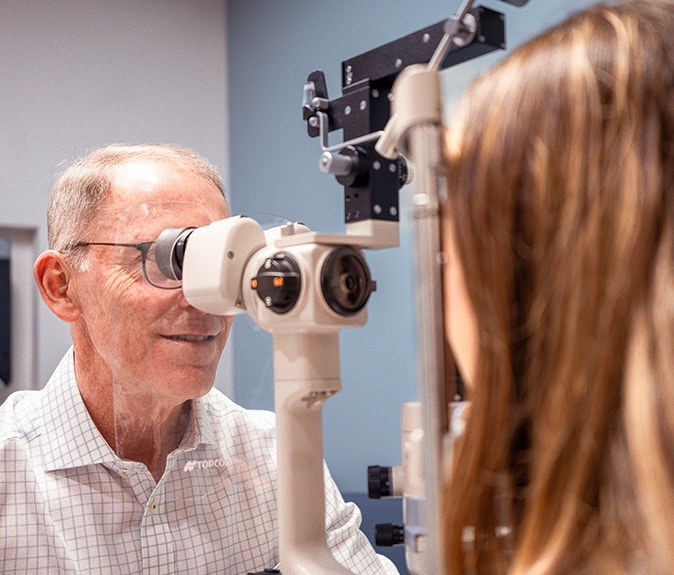
A common, yet uncomfortable condition, dry eye disease can leave your eyes feeling itchy, scratchy, dried out, and red-looking. We have a variety of tools to detect the root cause of your dry eye, like LipiScan®, and once we determine the underlying issue, we’ll use revolutionary tools like LipiFlow® to provide you with fast relief from your symptoms.
Glaucoma
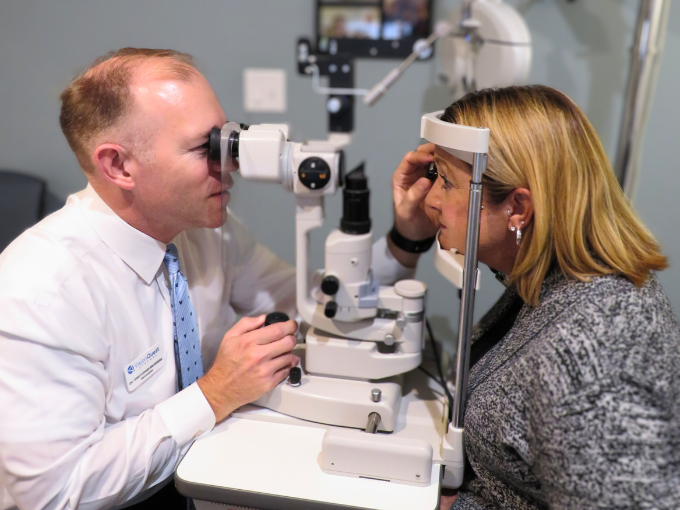
Commonly known as “the silent thief of sight” because it can cause vision issues without other apparent symptoms, glaucoma is the term for a group of conditions that occur due to abnormally high intraocular pressure (IOP). This increase in pressure can damage a critical part of your vision system, the optic nerve, leading to vision loss. We use state-of-the-art equipment to identify potential signs of glaucoma before your sight is affected, so we can tailor an eye disease treatment plan that will keep your eyesight crystal clear.

Diabetic Eye Disease
Diabetes can impact all aspects of your health, but it has an outsized effect on your vision. In fact, your eyes are frequently one of the first areas to show signs of diabetic conditons. Our technology helps us keep an eye out for eye conditons that we commonly see in our diabetic patients, like diabetic retinopathy. We’ll give you the special attention you deserve to keep your eyes and health in great condition so you can focus on managing your diabetes.
Why Choose Us?
At VisionQuest Eyecare, we’ve been dedicated to nurturing the vision of patients in our community for over 25 years. We have the experienced team you and your family need to manage your eye health and keep you seeing clearly for years to come!
Recent News
How Dry Winter Air Affects Your Eyes, and What You Can Do About It
How Dry Winter Air Affects Your Eyes, and What You Can Do About It Winter in Indiana has a way of sneaking up on your eyes. One day you feel fine, and the next your eyes feel scratchy, watery, or like there’s grit stuck under your eyelids. If that sounds familiar,...
5 Signs You Need a New Prescription
5 Signs You Need a New Prescription Clear vision is just as much about living well as it is seeing well. Whether you're working long hours at a computer, driving at night, or spending time outdoors, your eyes are working overtime. If you’ve been wearing the same...
Why Early Myopia Treatment Matters: Benefits for Your Child’s Vision and Future
If your child is struggling to see clearly at a distance, they may be experiencing myopia, or nearsightedness, one of the most common vision conditions in children today. In fact, 1 in 3 kids is myopic, and that number is expected to grow. Without proper treatment,...
Eye Disease Management FAQ
What is eye disease management?
Eye disease management refers to the ongoing process of diagnosing, monitoring, treating, and preventing progression of conditions that affect your vision or eye health (such as glaucoma, AMD, diabetic retinopathy). It’s about protecting your eyesight long‑term.
Which eye diseases do you treat?
We treat a wide range of conditions including:
- Glaucoma – a progressive optic neuropathy, sometimes resulting from elevated intraocular pressure.
- Age-related macular degeneration (AMD) – damage to the macula, affecting central vision
- Diabetic retinopathy and other diabetic eye diseases – damage to retinal blood vessels due to diabetes
- Myopia (nearsightedness) – a progressive condition that can increase the risk of long-term eye complications if left unmanaged
- Cataracts – clouding of the eye’s natural lens that can blur or dull vision, especially with age
- Any other eye conditions identified during comprehensive exams
Why is early detection so important?
Many eye diseases develop slowly and silently (for example glaucoma is often called the “silent thief of sight”). Early detection gives us the best chance to preserve vision, slow progression, and treat before irreversible damage occurs.
What tests are used to evaluate eye diseases?
Tests may include:
- Comprehensive eye exam with dilation and retinal evaluation.
- Optical Coherence Tomography (OCT) for detailed retina imaging.
- Visual field testing to check peripheral vision and detect losses.
- Intraocular pressure (IOP) measurement for glaucoma risk.
- Advanced retinal imaging (e.g., Optomap) and other diagnostics.
- We also now offer genetic testing to determine if you may be at risk of developing glaucoma
How often should I have my eyes checked if I have (or may have) an eye disease?
The frequency depends on your condition, risk factors (e.g., family history, diabetes, age) and how stable your disease is. After diagnosis we’ll tailor a follow‑up schedule that may be every 3‑6 months or more often when needed, rather than just the standard yearly exam.
Can treatment really prevent vision loss?
Yes, while not every disease can be “cured,” effective management can slow or stop progression, preserve existing vision, and reduce risk of blindness. For example, managing IOP in glaucoma or controlling diabetes for diabetic retinopathy are critical in maintaining quality of life.
What treatment options are available for glaucoma?
Treatment may include prescription eye‑drops, laser therapy, lifestyle changes, and sometimes referrals for surgical interventions if needed. Our practice monitors and co‑manages glaucoma care carefully.
What about treatment for AMD?
For age‑related macular degeneration, options may include nutritional therapy (AREDS vitamin formulas), lifestyle modifications (smoking cessation, diet, exercise), monitoring of the macula and in some cases injections or other interventions for “wet” AMD. Early AMD can often be managed with monitoring and lifestyle changes.
How does diabetic retinopathy get managed?
Managing diabetic eye disease involves tight control of blood sugar, blood pressure, cholesterol; regular retinal exams; possible laser or injection therapy; and ongoing monitoring of retina health to catch changes early.
What lifestyle changes help with eye disease management?
Lifestyle plays a key role. Some helpful changes include:
- Quit smoking (especially for AMD).
- Maintain a healthy diet and weight.
- Manage diabetes, hypertension, cholesterol.
- Protect your eyes from UV light and wear sunglasses.
- Get regular exercise and follow recommendations of our eye‑care team.
Will I need surgery for these conditions?
Not always. Many conditions are managed medically (drops, lifestyle, monitoring). However, if surgery is indicated (for example advanced glaucoma or retinal surgery) we will refer you to a trusted ophthalmologist and coordinate your care to ensure continuity and the best outcomes.
What symptoms should prompt me to seek care immediately?
Seek immediate attention if you experience any of the following: sudden loss of vision, flashes of light, new lots of floaters, severe eye pain, or sudden onset of field loss. These may indicate urgent conditions such as retinal detachment, acute glaucoma attack, or vascular occlusion.
What can I expect at my first visit for eye disease evaluation?
At your initial visit we will review your medical history (including systemic health like diabetes/hypertension), perform a comprehensive exam with diagnostic testing (OCT, visual fields, etc), discuss findings and risk factors, and work with you to create a personalized management plan.
How do I know if I’m high risk for an eye disease?
Risk factors include: age (over 50), family history of glaucoma or AMD, diabetes, high blood pressure, smoking, prior eye trauma/surgery, high myopia, certain ethnicities, and elevated IOP. We’ll evaluate all of these in your visit. We also now offer genetic testing in our offices to evaluate potential risks for glaucoma.
If I already wear glasses or contacts, can I still get an eye disease?
Yes. Wearing corrective lenses addresses vision clarity but does not replace eye health monitoring. Glasses don’t prevent disease development. Regular comprehensive exams are essential.
Will insurance cover eye disease management?
Coverage depends on your plan and the diagnosis. Many medical eye‑disease services (as opposed to routine vision care) are covered under medical insurance rather than just vision benefits. Our staff will help you verify benefits.
Can I continue normal activities (driving, reading) if diagnosed with an eye disease?
In many cases yes, with proper monitoring and treatment you can continue your daily activities. We’ll discuss any restrictions or precautions based on your specific condition (for example field loss from glaucoma or central vision loss from AMD).
What happens if the condition worsens despite treatment?
If progression occurs, we may escalate or modify the plan: increase monitoring frequency, add additional treatment modalities, refer for surgical options, or involve low‑vision services if needed. The goal is to adapt proactively.
How do I best support my eye‑care provider between visits?
Keep all recommended appointments, follow your medication regimen, maintain systemic health (blood sugar, BP, cholesterol), report any changes in vision immediately, protect your eyes from UV and trauma, and adopt healthy habits (diet, exercise, no smoking).
How do I schedule a consultation for eye disease management?
You can call our Greenwood or Fishers location to schedule an evaluation. If you are a new client, it’s good to always start with a comprehensive eye exam first. Mention your condition (glaucoma, AMD, diabetic retinopathy, etc) so we can allocate appropriate diagnostic testing and time. Our team will explain what to bring, what to expect, and help you prepare.