Tailored Care for Your Diabetes

What Is a Diabetic Eye Exam?
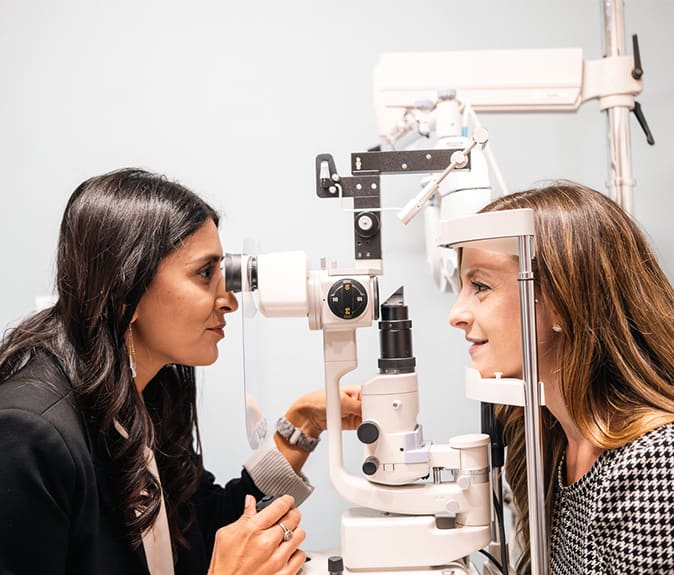
During our diabetic eye exams, our eye doctors will look for signs of diabetic eye conditions that can cause damage to your eyes and vision, like diabetic retinopathy. Diabetic retinopathy is a diabetic complication that causes blood vessels in your eyes to grow abnormally and potentially leak, threatening your eyesight. We use cutting-edge diagnostic tools to check your eyes and vision and to spot any potential indicators long before your vision is harmed.
Why Are Diabetic Eye Exams Important?
Early detection is always crucial for protecting your vision from eye diseases as it gives us time to design a plan that will keep you seeing clearly. Our skill and advanced technology allow us to stay one step ahead with your condition, so your eyesight is never interrupted.
Causes & Risk Factors
- Having diabetes for an extended period of time
- Poor blood sugar control
- High blood pressure or cholesterol
- Pregnancy
- Using tobacco
Symptoms
You may not notice any diabetic retinopathy symptoms at first, but as the condition progresses, the following symptoms will occur:
- Blurry vision
- Spots or strings in your sight
- Changing or fluctuating vision
- Dark or empty areas in your sight
- Loss of vision
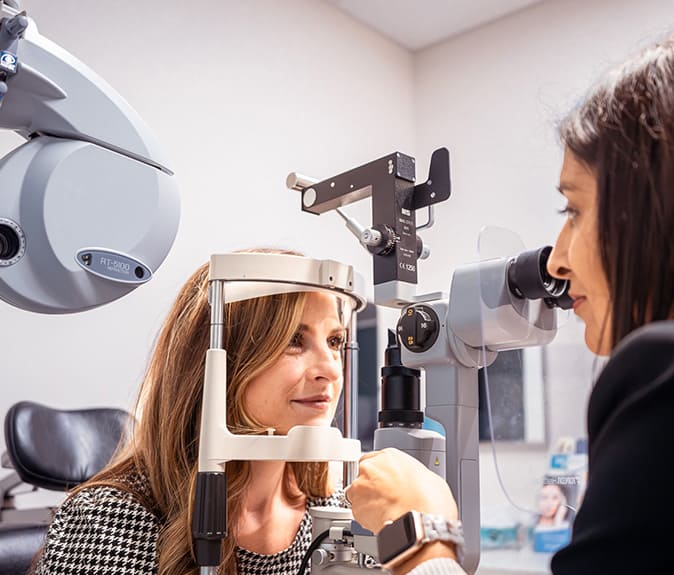
Diabetic Eye Disease Diagnosis & Management
Why Choose Us?
At VisionQuest Eyecare, you’ll find an experienced team of eye care experts who use the latest diabetic eye care technology to produce incredible results. We provide compassionate diabetic eye exams for our patients and believe in customizing our care to each patient’s own personal vision needs. Schedule your diabetic eye exam today and find out why Indiana trusts the team at VisionQuest for diabetic eye care.
Eye Disease Management FAQ
What is eye disease management?
Eye disease management refers to the ongoing process of diagnosing, monitoring, treating, and preventing progression of conditions that affect your vision or eye health (such as glaucoma, AMD, diabetic retinopathy). It’s about protecting your eyesight long‑term.
Which eye diseases do you treat?
We treat a wide range of conditions including:
- Glaucoma – a progressive optic neuropathy, sometimes resulting from elevated intraocular pressure.
- Age-related macular degeneration (AMD) – damage to the macula, affecting central vision
- Diabetic retinopathy and other diabetic eye diseases – damage to retinal blood vessels due to diabetes
- Myopia (nearsightedness) – a progressive condition that can increase the risk of long-term eye complications if left unmanaged
- Cataracts – clouding of the eye’s natural lens that can blur or dull vision, especially with age
- Any other eye conditions identified during comprehensive exams
Why is early detection so important?
Many eye diseases develop slowly and silently (for example glaucoma is often called the “silent thief of sight”). Early detection gives us the best chance to preserve vision, slow progression, and treat before irreversible damage occurs.
What tests are used to evaluate eye diseases?
Tests may include:
- Comprehensive eye exam with dilation and retinal evaluation.
- Optical Coherence Tomography (OCT) for detailed retina imaging.
- Visual field testing to check peripheral vision and detect losses.
- Intraocular pressure (IOP) measurement for glaucoma risk.
- Advanced retinal imaging (e.g., Optomap) and other diagnostics.
- We also now offer genetic testing to determine if you may be at risk of developing glaucoma
How often should I have my eyes checked if I have (or may have) an eye disease?
The frequency depends on your condition, risk factors (e.g., family history, diabetes, age) and how stable your disease is. After diagnosis we’ll tailor a follow‑up schedule that may be every 3‑6 months or more often when needed, rather than just the standard yearly exam.
Can treatment really prevent vision loss?
Yes, while not every disease can be “cured,” effective management can slow or stop progression, preserve existing vision, and reduce risk of blindness. For example, managing IOP in glaucoma or controlling diabetes for diabetic retinopathy are critical in maintaining quality of life.
What treatment options are available for glaucoma?
Treatment may include prescription eye‑drops, laser therapy, lifestyle changes, and sometimes referrals for surgical interventions if needed. Our practice monitors and co‑manages glaucoma care carefully.
What about treatment for AMD?
For age‑related macular degeneration, options may include nutritional therapy (AREDS vitamin formulas), lifestyle modifications (smoking cessation, diet, exercise), monitoring of the macula and in some cases injections or other interventions for “wet” AMD. Early AMD can often be managed with monitoring and lifestyle changes.
How does diabetic retinopathy get managed?
Managing diabetic eye disease involves tight control of blood sugar, blood pressure, cholesterol; regular retinal exams; possible laser or injection therapy; and ongoing monitoring of retina health to catch changes early.
What lifestyle changes help with eye disease management?
Lifestyle plays a key role. Some helpful changes include:
- Quit smoking (especially for AMD).
- Maintain a healthy diet and weight.
- Manage diabetes, hypertension, cholesterol.
- Protect your eyes from UV light and wear sunglasses.
- Get regular exercise and follow recommendations of our eye‑care team.
Will I need surgery for these conditions?
Not always. Many conditions are managed medically (drops, lifestyle, monitoring). However, if surgery is indicated (for example advanced glaucoma or retinal surgery) we will refer you to a trusted ophthalmologist and coordinate your care to ensure continuity and the best outcomes.
What symptoms should prompt me to seek care immediately?
Seek immediate attention if you experience any of the following: sudden loss of vision, flashes of light, new lots of floaters, severe eye pain, or sudden onset of field loss. These may indicate urgent conditions such as retinal detachment, acute glaucoma attack, or vascular occlusion.
What can I expect at my first visit for eye disease evaluation?
At your initial visit we will review your medical history (including systemic health like diabetes/hypertension), perform a comprehensive exam with diagnostic testing (OCT, visual fields, etc), discuss findings and risk factors, and work with you to create a personalized management plan.
How do I know if I’m high risk for an eye disease?
Risk factors include: age (over 50), family history of glaucoma or AMD, diabetes, high blood pressure, smoking, prior eye trauma/surgery, high myopia, certain ethnicities, and elevated IOP. We’ll evaluate all of these in your visit. We also now offer genetic testing in our offices to evaluate potential risks for glaucoma.
If I already wear glasses or contacts, can I still get an eye disease?
Yes. Wearing corrective lenses addresses vision clarity but does not replace eye health monitoring. Glasses don’t prevent disease development. Regular comprehensive exams are essential.
Will insurance cover eye disease management?
Coverage depends on your plan and the diagnosis. Many medical eye‑disease services (as opposed to routine vision care) are covered under medical insurance rather than just vision benefits. Our staff will help you verify benefits.
Can I continue normal activities (driving, reading) if diagnosed with an eye disease?
In many cases yes, with proper monitoring and treatment you can continue your daily activities. We’ll discuss any restrictions or precautions based on your specific condition (for example field loss from glaucoma or central vision loss from AMD).
What happens if the condition worsens despite treatment?
If progression occurs, we may escalate or modify the plan: increase monitoring frequency, add additional treatment modalities, refer for surgical options, or involve low‑vision services if needed. The goal is to adapt proactively.
How do I best support my eye‑care provider between visits?
Keep all recommended appointments, follow your medication regimen, maintain systemic health (blood sugar, BP, cholesterol), report any changes in vision immediately, protect your eyes from UV and trauma, and adopt healthy habits (diet, exercise, no smoking).
How do I schedule a consultation for eye disease management?
You can call our Greenwood or Fishers location to schedule an evaluation. If you are a new client, it’s good to always start with a comprehensive eye exam first. Mention your condition (glaucoma, AMD, diabetic retinopathy, etc) so we can allocate appropriate diagnostic testing and time. Our team will explain what to bring, what to expect, and help you prepare.
Related Blogs

What Are Floaters and When Should I Worry
If you’ve ever noticed tiny specks or thread-like shadows drifting across your vision, especially when looking at a bright sky or a white wall, you’re not imagining things. These visual disruptions are known as eye floaters, and while they’re usually harmless, there...

Can Eye Exams Really Detect Other Health Issues?
Most people think of eye exams as a way to check vision or update prescriptions. But at VisionQuest Eyecare, a comprehensive eye exam goes far beyond the basics. These routine visits can help detect early signs of serious health conditions, even those unrelated to...
Why Diabetic Eye Exams Are Essential for Preserving Your Vision
Diabetes is a chronic condition that affects millions of people in the United States, impacting many aspects of overall health. One of the most critical—but often overlooked—areas affected by diabetes is your eyes. People with diabetes are at a higher risk for...