
Why an Eye Exam Is Essential for Your Vision and Your Health
Most people book an eye exam when their glasses stop working or they run out of contacts. But a comprehensive eye exam is about a lot more than getting a sharper prescription. It is one of the best ways to protect your long-term eye health, catch silent issues early, and make sure your eyes are keeping up with your life.
At VisionQuest Eyecare, we focus on both clear vision and healthy eyes using thorough testing and modern imaging. You can see what’s included in a comprehensive exam on our Eye Exams page.
A Comprehensive Eye Exam Checks More Than Your Prescription
Reading off an eye chart is not the same thing as a full eye health evaluation. A comprehensive exam typically reviews your health history, tests how clearly you see, checks focusing and eye coordination, measures eye pressure, and evaluates the retina and optic nerve.
That health-focused part matters because some eye diseases can develop without obvious symptoms in the early stages.
Eye Exams Can Help Detect Eye Disease Early

Many serious eye conditions are easier to manage when they are found early. During a comprehensive exam, your optometrist is looking for changes that can affect vision now and later, including signs of:
- Glaucoma risk factors (including eye pressure and optic nerve changes)
- Macular changes that may be associated with age-related vision concerns
- Retinal health issues, including changes that may require closer monitoring
If you are already being monitored for an eye condition, routine visits are how we track changes over time and adjust care when needed.
Your Eye Health Is Connected to Your Overall Health
Your eyes give doctors a clear view of blood vessels and nerves, which is one reason eye exams can sometimes reveal signs of broader health concerns.
Diabetes and diabetic eye disease
If you have diabetes, eye exams are essential. Diabetic eye disease can progress without early symptoms, and routine monitoring helps protect vision. The CDC highlights diabetes-related eye disease as a major cause of vision loss in working-age adults.
High blood pressure and vascular changes
Changes in retinal blood vessels can sometimes reflect broader vascular health concerns, which is why consistent exams are important even when your vision feels “fine.”
How Often Should You Get an Eye Exam
There is no single schedule that fits everyone, because risk factors matter. At VisionQuest Eyecare, our general guidance is:
- Most adults (18–64) and children (4+) with healthy vision and no major risk factors: annual exams are recommended
- Patients with risk factors like diabetes, high blood pressure, family history of eye disease, or contact lens wear: you may need exams more often
Read our article on when you should get an eye exam for more information.
If you are unsure what applies to you, the safest approach is simple: schedule your annual exam, and we will recommend a follow-up plan based on your eyes and your health history.
Signs You Might Be Overdue for an Exam

Vision changes can happen gradually, so you may not notice them right away. Consider booking soon if you’ve noticed any of the following:
- More headaches or eye strain, especially with screens
- Squinting, trouble focusing, or needing brighter light to read
- Increased glare or more difficulty driving at night
- Blurry vision that comes and goes
- Contacts that feel less comfortable than they used to
If you ever have sudden vision changes, flashes, a sudden shower of new floaters, or a curtain-like shadow in your vision, treat it as urgent and get evaluated right away.
Everyday Habits That Support Healthy Eyes
Eye exams are the foundation, but healthy habits help too. A few basics that make a real difference:
- Eat a balanced diet with nutrients linked to eye health (leafy greens, colorful produce, omega-3 rich foods)
- Wear UV protection outdoors year-round
- Avoid smoking, which is associated with higher risk for several eye diseases
Book Your Eye Exam at VisionQuest Eyecare
Whether you need an updated prescription, you want peace of mind about your eye health, or it’s just been too long, we make it easy to get scheduled at either location.
Call either one of our locations to schedule or you can book online easily through our website.
Keeping up with eye exams is one of the simplest ways to protect your vision for the long run, and it often helps you feel better day-to-day too.
FAQ: Why an Eye Exam Is Essential
1) How often should I get an eye exam?
For most patients, an annual comprehensive eye exam is a smart baseline. Some people may need exams more often based on age, contact lens wear, medical conditions (like diabetes), medications, or a family history of eye disease. Our doctors will recommend the best schedule for you based on your risk factors and findings from your exam.
2) What’s the difference between a vision screening and a comprehensive eye exam?
A vision screening usually checks how well you can see and may flag obvious problems. A comprehensive eye exam evaluates both your vision and eye health, including the retina and optic nerve, and can help detect conditions that may not have symptoms early on.
3) Can an eye exam detect health problems like diabetes or high blood pressure?
An eye exam can sometimes reveal signs that may be associated with broader health conditions, including diabetes-related eye changes or vascular changes related to blood pressure. If we see something concerning, we’ll recommend next steps and coordinate care as needed.
4) Do I need a dilated eye exam every time?
No, but dilation can still be one of the best ways to thoroughly evaluate the retina and optic nerve. At VisionQuest, we use advanced imaging to help assess the back of the eye without dilation. Your optometrist will recommend what’s appropriate based on your age, symptoms, and risk factors.
5) I see fine. Do I still need an eye exam?
Yes. Many eye diseases develop gradually and may not cause noticeable symptoms early. Even if your vision feels clear, a comprehensive exam helps monitor eye health, confirm that your prescription is still accurate, and catch changes early.
6) Why do I get headaches or eye strain when my prescription “seems okay”?
Small prescription changes, astigmatism shifts, focusing issues, or heavy screen time can all contribute to headaches and eye strain. An exam can identify whether your prescription needs adjusting or if there are other factors affecting comfort.
7) What do I need to prepare for an eye exam with VisionQuest Eyecare?
Here’s what to bring or plan for so your visit goes smoothly:
- Your current glasses and/or contact lenses (plus your contact lens boxes if you have them)
- A list of all medications you take, not just eye related ones, and any health conditions you have
- Your vision plan and medical insurance information (if applicable)
- Any questions or symptoms you’ve noticed (blur, glare, headaches, dryness, floaters, etc.)
- If your exam includes dilation, consider bringing sunglasses and plan for temporarily blurry near vision afterward
8) Can I wear contact lenses to my appointment?
Usually yes, but it depends on the type of visit. If you’re coming for a contact lens evaluation, wearing your contacts helps us assess fit and comfort. If you’re experiencing irritation, bring your contacts and glasses so we can evaluate both options. If you’re unsure, we can guide you when you schedule.
9) How long does an eye exam take?
Most comprehensive exams take around 30–60 minutes depending on what testing is needed and whether additional services (like contact lens evaluation or advanced imaging) are included.
10) How do I schedule an eye exam with VisionQuest Eyecare?
You can schedule online through our website and choose the Greenwood or Geist location. If you have specific concerns (dryness, contact lens issues, medical eye problems), mention them when booking so we can schedule the right type of appointment. You can also call our locations directly to schedule an appointment
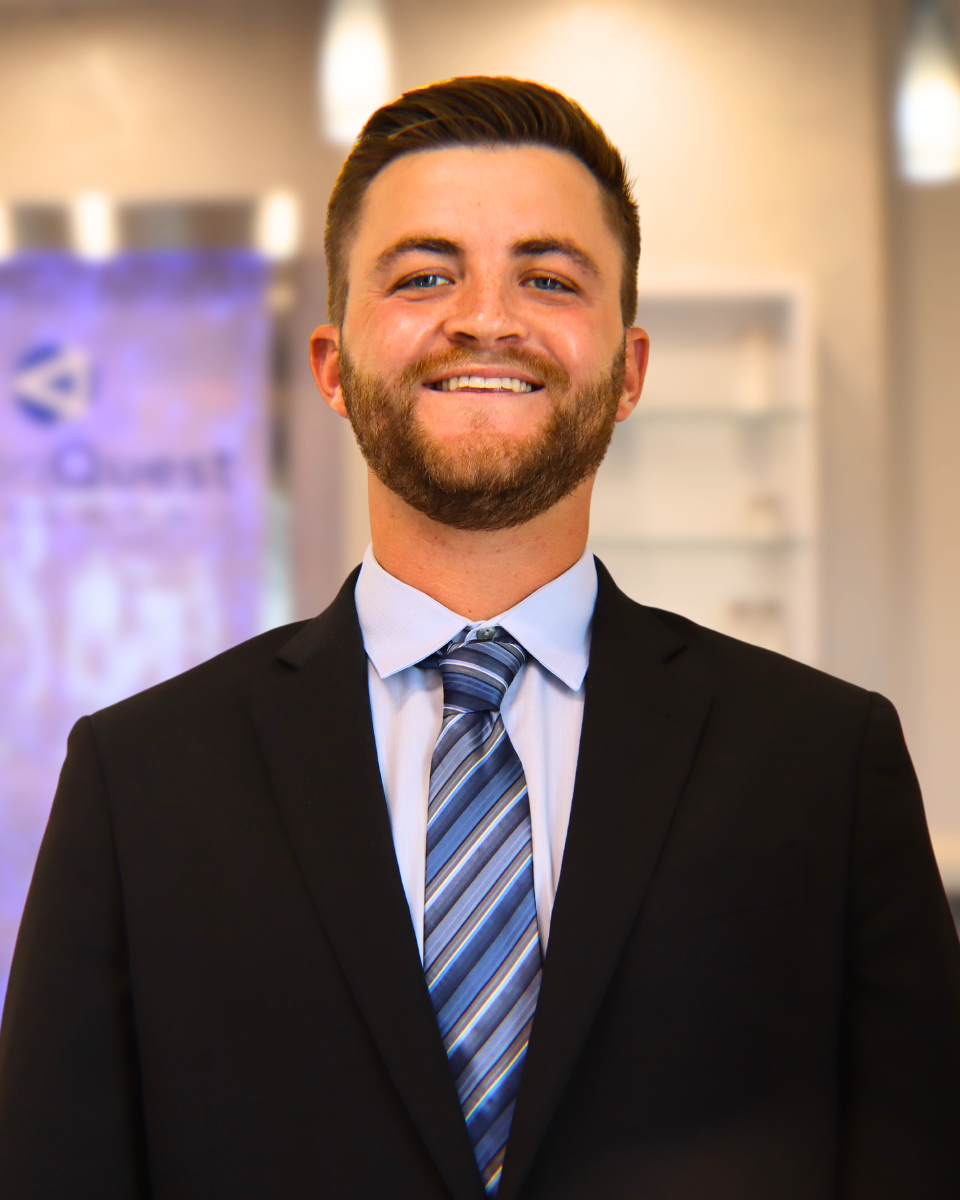
Dr. Bantz is a general eyecare optometrist with a focus on ocular disease and contact lenses at VisionQuest Eyecare. A graduate of Indiana University’s School of Optometry, Dr. Bantz received his undergraduate degree from Butler University. He specializes in eyecare for patients of all ages, as well as contact lenses.